Page 6 - Autograph

  1. 5 Reasons to Consider a Historic Autograph Collection

    Autograph

    If you're a fan of history, there's nothing quite like owning a piece of it. Historic autographs are the perfect way to do just that. They can provide a fascinating glimpse into the past, and they can also be a great investment.

    Here are five reasons to consider a historic autograph collection:

    1. Historic Autographs Can Be Your Connection with a Person You Admire

    Do you have a favorite historical figure? Someone you’ve always admired and looked up to? If so, you’re not alone. Many people are fascinated by the lives of famous people from the past. For this reason, one way to feel closer to these icons is to collect their autographs.

    Historic autographs can be a great way to connect with a person you admire. They offer a tangible way to feel closer to someone who may have lived centuries ago. This is why collecting autographs is a fun hobby for many

    Of course, not all historic autographs are created equal. Some are more valuable than others. And some are more difficult to obtain. Whether
    Read more »
  2. What to Know about COAs When Buying Autographed Memorabilia

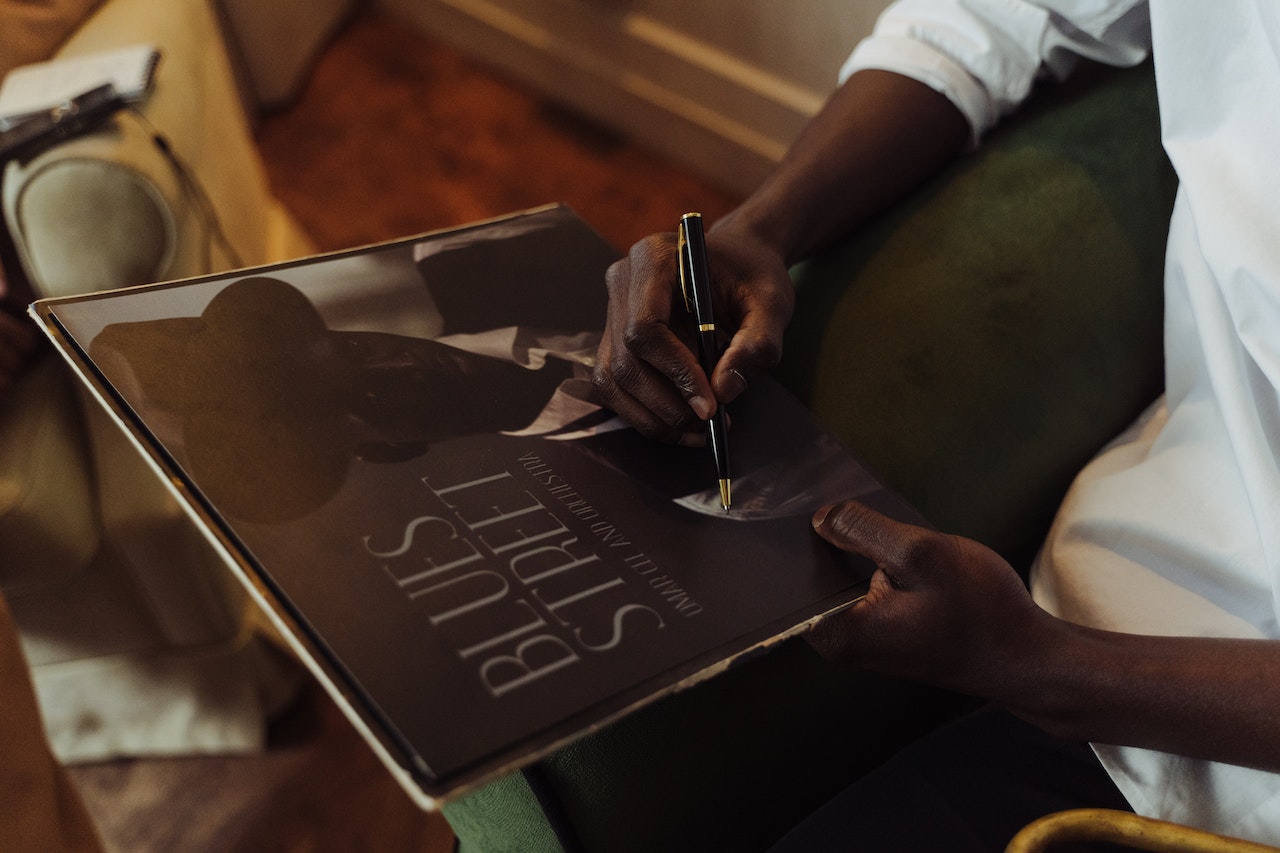
    person signing a vinyl record

    A COA, or Certificate of Authenticity, is a document that is provided by the seller of an autograph that certifies that the autograph is genuine. This is a piece of document you will want for any signed memorabilia you purchase, as it is proof that it is genuine. That being said, if you're new to the world of signed memorabilia, then you should spend the time understanding COAs and what there is to know about it.

    What Should a COA Include?

    A COA should include the following information:

    - A description of the autograph

    - The date the autograph was obtained

    - The name and contact information of the person or organisation who issued the COA

    - A statement that the autograph is genuine

    Ideally, a COA should also include a photo or scan of the autograph. This can be helpful in determining the authenticity of an autograph, as well as its value.

    What Are the Different Types of COAs?

    There are three main types of COAs. They are the following:

    1. Pre-printed COAs

    These are the most common type of

    Read more »
  3. 5 Steps in Authenticating Sports Memorabilia Autographs

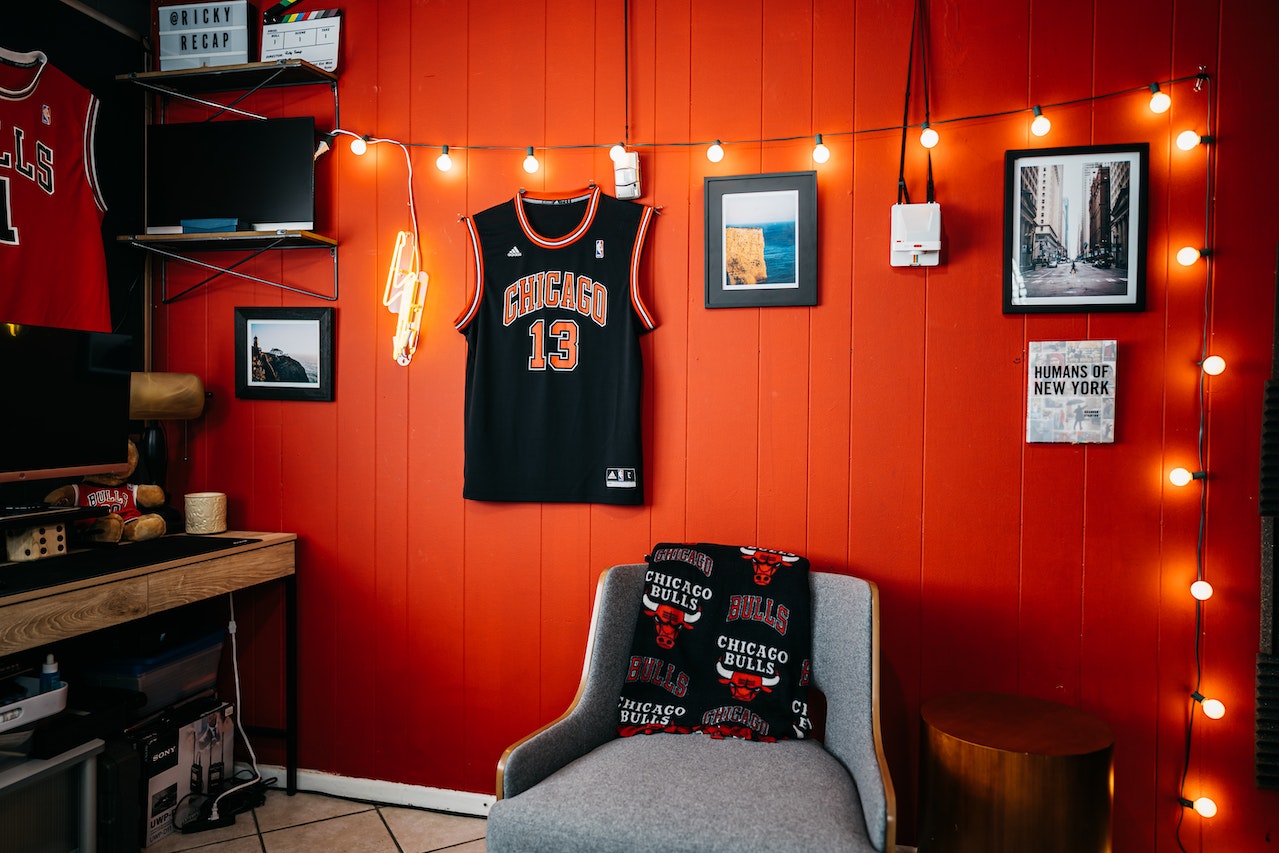
    basketball memorabilia

    Autograph authentication is vital for sports memorabilia collectors. It is essential to verify the item, its origin, and worth. However, the process is not simple. Instead, it follows a series of steps only qualified authenticators can perform. But what are these steps, and how do they do it? Here are some ideas.

    1. Medium Analysis

    The first step to authenticating a signature is to analyse the medium. Is it a paper, a baseball, a bat, or a jersey? The material plays a significant role in the authentication process. The authenticator will first look if the ink used matches the one used by the athlete. If the signature is a print, the authenticator will check if there are any irregularities.

    For example, if a sports figure signs a piece of sports memorabilia with a ballpoint pen, the authenticity evaluator will look for this type of pen. If the object bears a Sharpie mark, the evaluator will look for other Sharpie marks in the same area. If the thing bears a felt tip pen, the evaluator will

    Read more »
  4. The Verification of Signed Vintage Vinyl Music Records

    getting vinyl record from shelf

    If you're a fan of music from bygone eras, you may be interested in collecting vintage signed vinyl records. But before investing in one of these pieces, it's important to do your research and make sure you're buying a genuine item.

    First and foremost, it's important to do your research and make sure that you're buying from a reputable source. There are many fake autographs in circulation, so it's crucial that you take the time to verify the authenticity of any piece before making a purchase.

    If you're considering buying a piece of music memorabilia, be sure to get in touch with a trusted service that supplies vintage music records with autographs. In addition to that, you can have the vinyl records authenticated by a reputable source before making your purchase.

    Continue reading to know more.

    How Are Signed Vinyl Records Verified?

    Signed vinyl records can be verified in a few different ways. One way is to take the record to a reputable source specialising in authenticating autographs.

    Read more »
  5. The Importance of Having a Certificate of Authenticity as an Artist

    artist painting

    As a striving artist trying to leave a mark of passion in one's creative pursuits, it's still essential to protect your works, especially in a world full of copy-cats and cheap reproductions. An art piece's uniqueness dramatically influences its value, so having a certificate of authenticity (COA) becomes more necessary than a novelty for aspiring, professional artists. 

    The COA serves as proof that the artwork is an original creation by the artist and can help deter copyright infringement and illegal reproduction of the work. It can also provide important information about the artwork, such as title, date created, the medium used, and other details that may add to its value.

    What Is a Certificate of Authenticity?

    A Certificate of Authenticity (COA) is a document that verifies the authenticity of a particular piece of artwork. It is often issued by the artist or their representative and includes vital information such as the work's title, date, and medium. A COA can also provide details

    Read more »
  6. Top 5 Tips on Spotting A Fake Signature on Autographed Jersey

    football memorabilia

    Unfortunately, many fake autographed jerseys among sports memorabilia remain on sale—and it doesn't seem like the problem is getting any better. Many buyers have questions about how to spot a fake signature when buying signed memorabilia. 

    To increase the value of items, many con artists fabricate autographs, and sometimes it’s very tough to tell the difference between authentic and counterfeit goods. We never sell memorabilia unless it's from one of our collections. As framers, though, we can usually spot a fake a mile away.

    This guide is to help you avoid con artists because we don't want to see one of our customers get ripped off when purchasing signed memorabilia. Without further ado, let me explain how to spot fake signatures and where to find authentic memorabilia sports items. 

    Inquire with the Seller

    On online selling sites, many different sporting things are labelled "signed" or "match-worn," but unhappily, most of them are phoney. 

    Although you can find some genuine gems on

    Read more »
Page